Tax and VAT in Nepal Explained
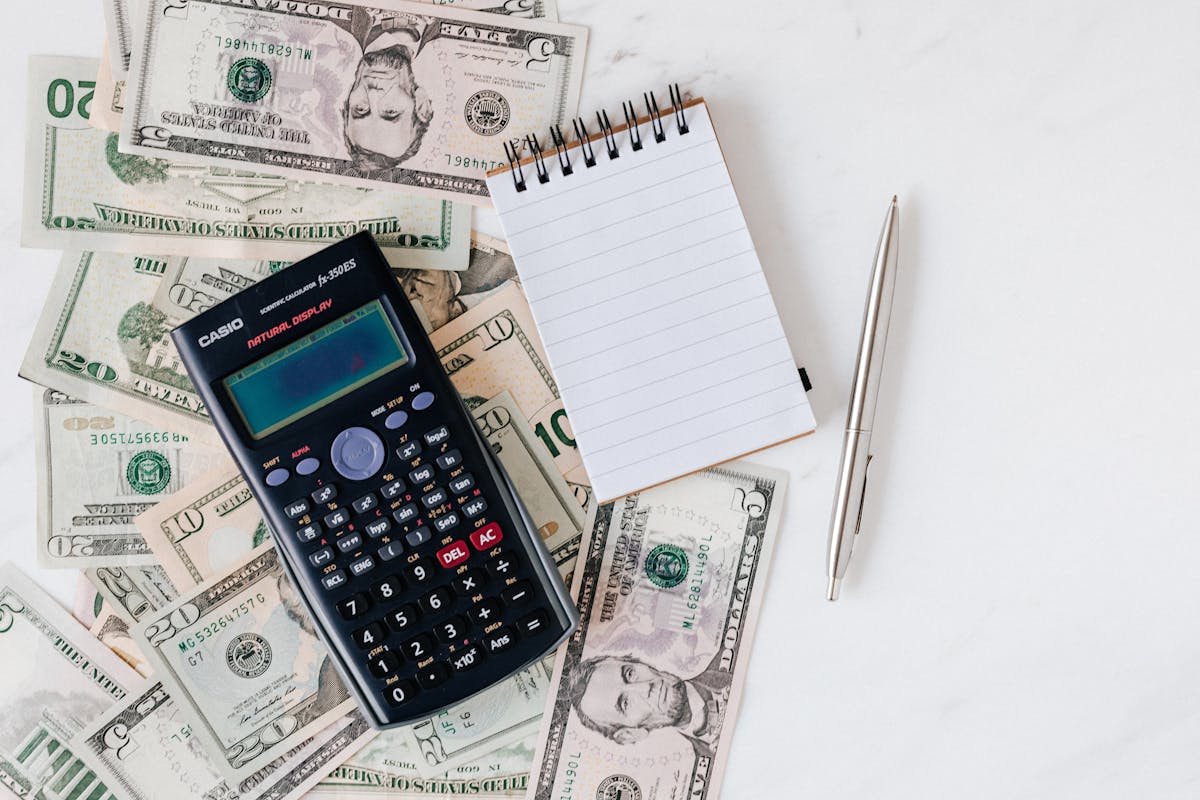
Understanding how taxes and the Value Added Tax (VAT) work is essential for anyone working, doing business or simply living in Nepal. Taxes fund public services like education, healthcare, infrastructure and social welfare programmes, while VAT is a consumption tax collected on goods and services at each stage of production and distribution. Navigating these systems can seem daunting, but a basic grasp of tax brackets, VAT rates and exemptions will help you stay compliant and make informed financial decisions. This article provides an overview of how Nepal’s tax system operates, who is liable to pay, and what goods and services are exempt from VAT.
Ready to use the tool?
Start calculating or converting right now with our free online utility.
Open tax calculatorProgressive Income Tax Structure
Nepal operates a progressive income tax system, meaning that as your income increases, the percentage of tax you pay rises as well. According to tax authorities, rates begin as low as 1% for very low incomes and can climb to 36% for the highest income bracket【150070913028790†L76-L80】. This structure aims to distribute the tax burden fairly, with higher earners contributing more. For individuals, tax slabs vary based on residency, marital status and whether the income comes from employment, business or investments. Companies also pay taxes based on their profits, with special rates for industries like banking and tobacco.
To calculate your taxable income, you deduct allowable expenses, retirement contributions and exemptions from your total annual income. After determining your taxable income, you apply the appropriate rates to each slab. For example, if the first bracket is taxed at 1% up to a certain threshold, you pay 1% on that portion and then higher rates on subsequent portions. The government periodically adjusts these thresholds, so it’s important to consult the latest tax laws or use a reliable tax calculator. Filing taxes on time avoids penalties and ensures you can access refunds for overpaid taxes or claim any credits you’re entitled to.
Ready to use the tool?
Start calculating or converting right now with our free online utility.
Open tax calculatorValue Added Tax (VAT) at 13%
VAT is a consumption tax levied on goods and services at each stage of the supply chain. In Nepal, the standard VAT rate is 13%【150070913028790†L76-L80】. Businesses registered for VAT must collect the tax on their sales and remit it to the government, minus any VAT paid on purchases (input tax). This mechanism ensures that the tax is ultimately borne by the end consumer, while businesses act as intermediaries. If you run a VAT-registered business, you’ll need to file regular VAT returns and maintain proper invoices showing VAT charged and VAT paid.
Not all goods and services are subject to VAT. Essential items such as basic foodstuffs, agricultural products, health services, education, public transportation and financial services are generally exempt. Some products may be zero-rated, meaning VAT is charged at 0%, allowing businesses to claim input tax credits even when no VAT is charged to customers. Keeping track of which goods and services fall into standard-rated, zero-rated and exempt categories is crucial for accurate billing and compliance.
Ready to use the tool?
Start calculating or converting right now with our free online utility.
Open tax calculatorPractical Tips for Compliance
Whether you’re an employee, business owner or consumer, staying compliant with tax laws ensures you avoid fines and benefit from available deductions:
- Keep records: Maintain receipts, invoices and documentation for all income and expenses. Good record‑keeping simplifies tax filing and helps if you’re audited.
- Register for PAN and VAT: Individuals and businesses meeting certain income thresholds must obtain a Permanent Account Number (PAN) for tax purposes and register for VAT if turnover exceeds the prescribed limit.
- Use reliable tools: Tax calculators and accounting software can help you stay on top of tax rates, thresholds and filing deadlines. Mero Tool’s tax and VAT calculator can estimate your liabilities quickly.
- Stay informed: Tax laws change periodically. Follow updates from the Inland Revenue Department and consult professionals if you’re unsure about specific obligations.
- File on time: Submit annual tax returns and periodic VAT returns before the due date to avoid penalties and interest.
Ready to use the tool?
Start calculating or converting right now with our free online utility.
Open tax calculatorConclusion
Nepal’s tax system is designed to be progressive, with rates ranging from 1% to 36% depending on income【150070913028790†L76-L80】. Meanwhile, VAT is charged at a standard rate of 13% on most goods and services, with exemptions for essentials like basic foods, healthcare and education. Understanding how these taxes work, keeping accurate records and using trusted tools can help individuals and businesses comply with the law and avoid unnecessary penalties. As tax policies evolve, staying informed will enable you to plan effectively and contribute to the country’s development through fair taxation.

Sources
- Nepal’s income tax system is progressive with rates ranging from 1% to 36%, and the standard VAT rate is 13%【150070913028790†L76-L80】.


Comments (24)
This tool has been a lifesaver for our accounting department. We no longer have to manually convert dates for our reports. Thank you!
ReplyI use this for converting my children's birthdays from BS to AD so our international relatives can remember them. So convenient!
ReplyThank you for sharing your experience, Sita! We're glad our tool is helping families stay connected across different calendar systems.
ReplyLeave a Comment